Column · @jaspertreeremovalcomhaven
Understanding Tree Removal in Jasper GA: Safety and Practical Tips
Why Tree Removal Requires Careful Planning
When a large tree stands too close to your house, shows signs of disease, or falls during a storm, removing it becomes a priority. Tree removal in Jasper GA is not something you want to rush into without understanding the risks and the proper approach. The landscape around Jasper and Pickens County includes mature oaks, maples, and pines that can reach impressive sizes. Taking down a tree of that scale involves more than just cutting it at the base. Improper technique can damage surrounding property, injure people, or leave behind a hazard that is harder to fix later.
Before you decide to remove a tree, take a close look at its condition. Dead branches, cracks in the trunk, fungal growth at the base, or leaning after a heavy storm are all signs that a tree may be unstable. But not every leaning tree is dangerous. Some trees grow at an angle naturally and remain structurally sound. The key is knowing when a tree poses a real threat. If you are unsure, calling a professional for an assessment is a wise step. Many property owners wait until a tree has already caused damage, which makes the job more urgent and often more expensive. Early action can prevent that scenario.
One resource that provides information on local tree care is jaspertreeremoval.com. The site covers services such as trimming, stump grinding, and storm cleanup, all of which are relevant for residents in this area. Understanding what a full-service company offers helps you make informed decisions about your own property.
Assessing the Situation Before Cutting
A thorough assessment starts with identifying the tree species and its health. Some trees, like pines and sweetgums, are prone to dropping large limbs during high winds. Others, such as oaks, may develop internal decay that is not visible from the outside. You can check for hollow spots by tapping the trunk with a mallet. A hollow sound does not always mean the tree is dangerous, but it warrants a closer look. Also inspect the soil around the base. If the ground is cracked or raised, the root system may be compromised.
Consider the tree's location relative to structures, power lines, and driveways. A tree that leans toward your house requires careful rigging to lower sections safely. If the tree is near a road or your neighbor's property, you need to plan for debris control. In many cases, the best approach is to remove the tree in sections, starting at the top and working down. This method reduces the weight of each piece and gives better control over where it falls.
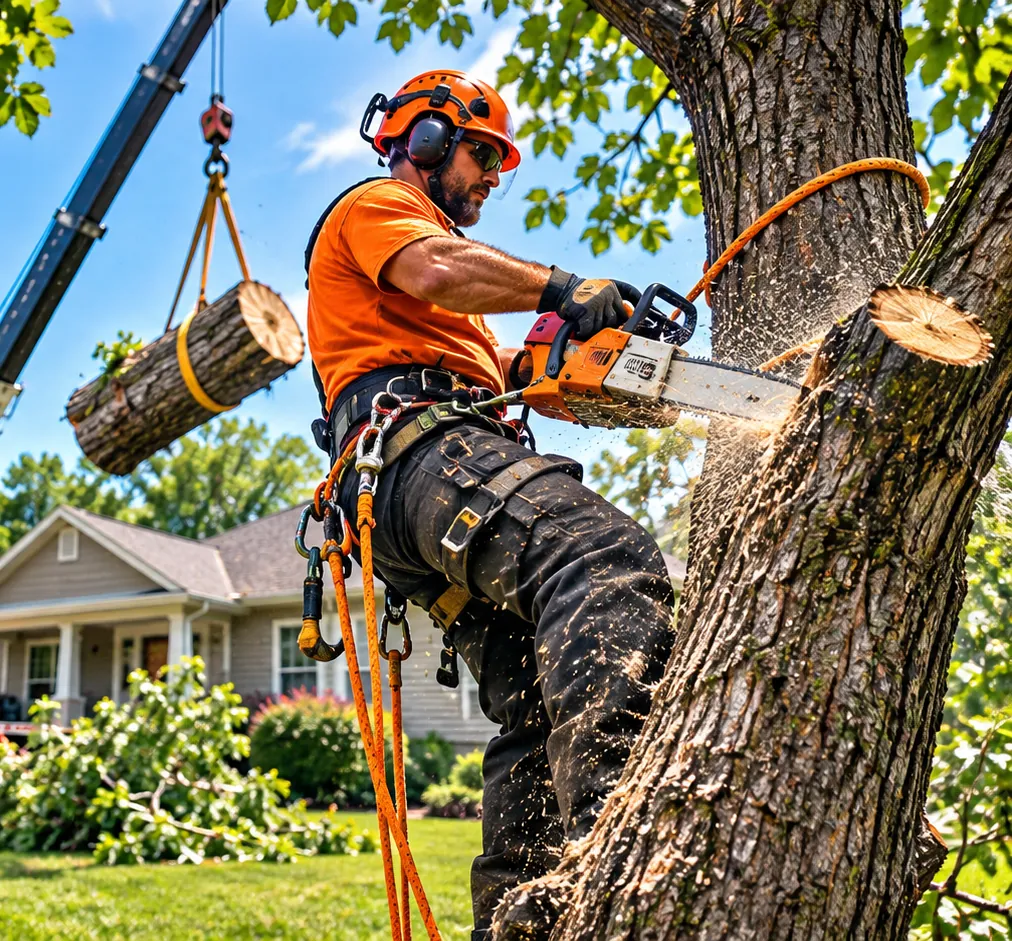
Weather conditions also matter. Removing a tree during a storm is dangerous and should be avoided unless the tree has already fallen and poses an immediate risk. Wait for calm weather when you can see clearly and the ground is dry enough to stand on securely. Wet, slippery conditions increase the chance of accidents.
Safety Measures You Should Not Skip
Tree removal is one of the more hazardous jobs you can do around your home. Even a small branch falling from height can cause serious injury. If you decide to handle a small tree or limb yourself, wear a hard hat, safety glasses, and sturdy boots with good grip. Chainsaws require ear protection and close-fitting clothing to avoid getting snagged. Never work alone. Having someone nearby who can call for help if something goes wrong is essential.
For larger jobs, professional equipment like climbing ropes, harnesses, and rigging systems is standard. These tools allow workers to control the fall of each section precisely. Without that gear, you risk losing control of heavy limbs. Also be aware of overhead power lines. Even if a line appears insulated, it may still carry lethal voltage. Keep yourself and all tools at least ten feet away from any power line. If the tree is touching a line, call the utility company before doing anything else.
Another overlooked risk is the kickback from a chainsaw. Kickback happens when the tip of the bar contacts a solid object, causing the saw to jerk back toward the operator. Using a saw with a low-kickback chain and maintaining a firm grip with both hands reduces this danger. Always cut with the saw running at full throttle and be prepared for the saw to react when the cut finishes.
What Happens After the Tree Comes Down
Once the tree is on the ground, the work is far from over. You are left with a trunk, branches, and often a stump that needs attention. Stump grinding is a common way to remove the remaining wood below ground level. A stump grinder chews through the stump and roots, turning them into wood chips. The depth of grinding depends on what you plan to do with the area afterward. If you want to plant grass or a garden, grinding to about six inches below grade is usually enough. For a driveway or patio, you may need to go deeper.
Debris disposal is another consideration. Branches and logs can be chipped into mulch, which you can use around your property or have hauled away. Some people keep the larger sections of wood for firewood, but be aware that certain tree species, like pine, produce creosote and are not ideal for indoor burning. Knowing what to do with the leftover material ahead of time makes the cleanup process smoother.
If the tree was infested with pests like the emerald ash borer or pine beetles, do not move the wood off your property without checking local guidelines. Spreading infested wood can worsen the problem for the whole community. In cases like that, grinding the stump and chipping the branches on-site is often the recommended approach.
When to Call a Professional Team
Not every tree problem is a DIY project. If the tree is taller than two stories, leans over a building, or has multiple trunks, the risk is too high for an inexperienced person. Professional crews have the training and insurance to handle complex removals. They also have access to bucket trucks and cranes when needed. For example, a tree that has fallen across a roof requires careful lifting to avoid causing more damage. That kind of job is best left to people who do it every day.
Jasper Tree Removal is a local service that handles these situations regularly. Their team deals with residential and light commercial jobs, including storm cleanup and lot clearing. If you have a tree that is causing concern, contacting a company like that gives you peace of mind that the job will be done safely. Many homeowners wait until the last minute, but scheduling a consultation early can save money and prevent damage.
Storm cleanup, in particular, demands quick response. After a severe storm, downed trees and limbs can block driveways, damage fences, and create unsafe conditions. A professional crew can remove debris efficiently and assess whether any remaining trees have become unstable. If you live in an area prone to high winds, it makes sense to have a plan in place before the next storm hits.
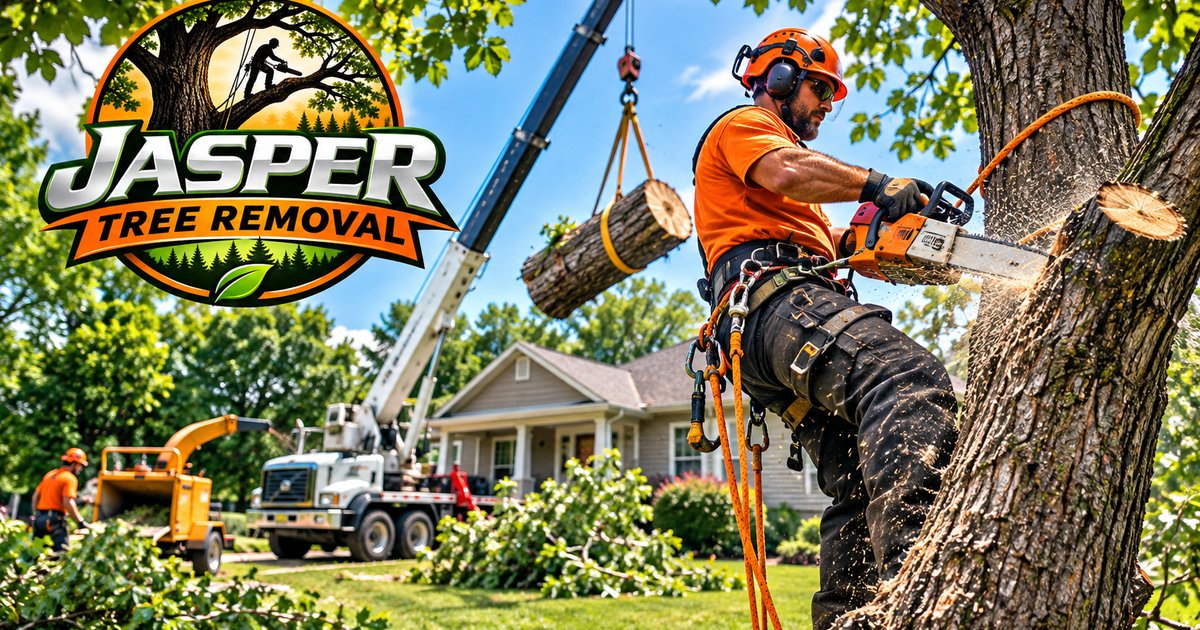
For more information on the range of services available, you can visit jaspertreeremoval.com. That site outlines what a full-service tree company in Jasper GA can do, from trimming to complete removal. Having that knowledge helps you ask the right questions when you call for an estimate.
Final Considerations
Tree removal is a big decision that affects your property's safety and appearance. Taking the time to assess the tree, understand the risks, and decide whether to handle it yourself or hire help is worth the effort. For small, low-risk jobs, careful DIY work can be fine. For anything large, near a structure, or involving power lines, professional help is the smarter choice. The goal is to remove the hazard without creating new problems. With the right approach, you can keep your yard safe and enjoy the remaining trees on your property for years to come.
Jasper Tree Removal on social media
 Twitter
 Instagram
 YouTube